

Picture this: You’re scrolling through Instagram, bombarded by polished ads and celebrity endorsements. But one post stops you, a relatable Micro-Influencer raving about a skincare product they actually use daily. Their genuine enthusiasm and active community engagement instantly catch your eye, making you eager to click “Add to Cart.”
This is the magic of micro-influencers, the unsung heroes of modern social media marketing. In an era where consumers crave authenticity, these niche-focused creators prove that bigger isn’t always better. Let’s explore why smaller audiences are driving monumental shifts in influencer marketing.
But why does this matter? In a world where trust is eroding and consumers are more discerning than ever, the connection a Micro-Influencer fosters with followers is invaluable. They create communities built on shared interests, making recommendations feel like advice from a friend rather than a sales pitch. As we delve deeper, you’ll discover actionable strategies to harness this trend and humanize your brand.

What Is a Micro-Influencer?
Micro-influencers are social media creators with highly engaged followings, typically ranging from 5,000 to 100,000 followers. Unlike mega-influencers, they focus on specific niches, think sustainable fashion, vegan recipes, or indie gaming. Their secret sauce? Authenticity. They’re not just promoters; they’re trusted peers who share real-life experiences.
Why Micro-Influencer Audiences Pack a Bigger Punch

1. Higher Engagement Rates: The Trust Factor
Studies show micro-influencers boast 5–20% engagement rates, dwarfing the 1–3% averages of macro-influencers. Their followers aren’t passive spectators they’re active participants. Imagine a skincare micro-influencer with 15k followers replying to every comment, fostering a loyal community that hangs on their every recommendation.
Emotional Hook: Picture a friend recommending your favorite coffee brand versus a generic billboard.
2. Authenticity Over Glamour
Audiences are tired of scripted ads. Micro-influencers thrive on raw, unfiltered content. For instance, a homeschooling mom sharing her daily routine with eco-friendly toys feels more relatable than a celebrity’s staged post. This authenticity builds trust—a currency brands simply can’t buy.
3. Cost-Effective Campaigns with High ROI
Collaborating with a micro-influencer costs $100–$500 per post, compared to $10,000+ for macro-creators. For small businesses, this affordability means partnering with multiple influencers to diversify reach. Brands like Glossier and Daniel Wellington credit micro-influencers for skyrocketing sales through grassroots campaigns.
4. Laser-Focused Niche Targeting
A micro-influencer in the vegan fitness niche attracts followers deeply invested in that lifestyle. When Patagonia partners with outdoor enthusiasts, they tap into an audience already passionate about sustainability. This precision minimizes wasted ad spend and maximizes conversions.
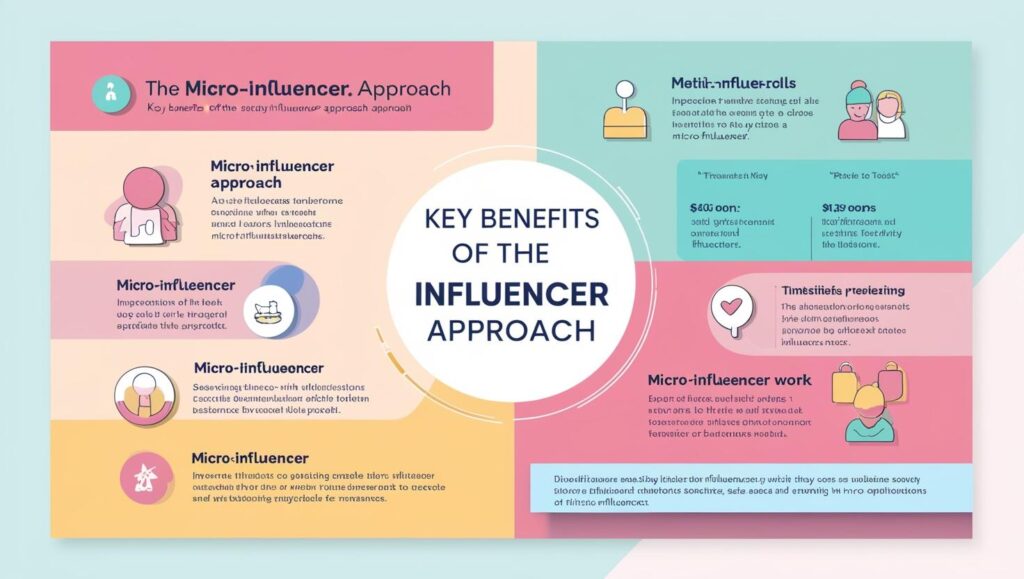
The Key Benefits of the Micro-Influencer Approach
1. Stronger Community Engagement
Micro-influencers excel at building communities around shared interests. Their followers often feel a sense of belonging, translating into higher engagement rates. When they share a product, their audience trusts the recommendation because it comes from someone they feel connected to.
2. Diverse Content Creation
From Instagram Stories to YouTube tutorials, micro-influencers produce varied content that feels organic. This diversity lets brands experiment with formats to find what resonates best.
3. Long-Term Brand Loyalty
Ongoing partnerships with micro-influencers create sustained loyalty. Unlike one-off campaigns, consistent collaborations reinforce brand messages, making them memorable.
Micro-Influencer vs. Macro-Influencer: Which Strategy Wins?
| Factor | Micro-Influencers | Macro-Influencers |
|---|---|---|
| Engagement Rate | 5–20% | 1–3% |
| Cost per Post | $100–$500 | $5,000–$10,000+ |
| Audience Trust | High (peer-like rapport) | Moderate (seen as “ads”) |
| Niche Relevance | Highly targeted | Broad, less focused |
Real-World Success Stories
1. Glossier’s Community-Driven Growth
By collaborating with beauty enthusiasts, Glossier built a cult-like following. Micro-influencers shared unfiltered reviews, turning customers into loyal brand advocates.
2. Daniel Wellington’s Affordable Strategy
The watch brand partnered with thousands of micro-influencers, offering free products for Instagram posts. This grassroots approach generated an impressive 600% ROI in one year.
3. HelloFresh’s Recipe for Trust
Food bloggers and home chefs showcased HelloFresh meal kits in their kitchens, driving a 30% increase in trial subscriptions.
Supporting Statistics: Why the Micro-Influencer Strategy Works
-70% of consumers are more likely to buy a product recommended by a micro-influencer.
-86% of marketers plan to increase micro-influencer budgets in 2025.
-92% of consumers trust individual recommendations over traditional brand ads.
How to Build a Winning Micro-Influencer Marketing Strategy
Step 1: Identify Your Niche Audience
Use tools like Klear or Upfluence to find creators whose values align with your brand. Look for:
-Engagement rates above 5%
-Audience demographics matching your target market
-A content style that feels authentic, not overly curated
Step 2: Craft Collaborative Campaigns
–Storytelling: Let influencers weave your product into their daily lives. For example, a micro-influencer documenting their journey with your fitness app.
–User-Generated Content (UGC): Repost their reviews or unboxing videos to build social proof.
–Exclusive Discounts: Offer followers unique promo codes to track conversions.
Step 3: Leverage Multiple Platforms
–Instagram: Ideal for visual storytelling and Reels.
–TikTok: Micro-influencers here see 12–13% engagement rates.
–YouTube: Perfect for in-depth tutorials or reviews.
Top Platforms to Boost Your Campaigns
–Impulze.ai: Budget-friendly plans starting at $89/month.
–Upfluence: Robust analytics for data-driven decisions.
–TRIBE: Streamlines collaborations with automated workflows.
How to Become a Micro-Influencer (and Monetize Your Passion)
–Find Your Niche: Focus on a topic you’re passionate about, like zero-waste living or retro gaming.
–Post Consistently: Share high-quality content 3–5 times weekly.
–Engage Authentically: Reply to comments and build genuine relationships.
–Pitch Brands: Use platforms like AspireIQ or Insense to land collaborations.
The Future of Marketing
The importance of micro-influencers lies in their ability to humanize brands. They’re not just marketing channels they’re storytellers, community builders, and trusted friends. With 70% of marketers prioritizing micro-influencers for 2025, it’s clear that small audiences aren’t the future; they’re the present.
Final Thought: In a world craving connection, micro-influencers remind us that sometimes, the most powerful voices speak softly to the right people.
At Balistro, we specialize in helping businesses grow through effective digital marketing strategies. From Google Ads to Meta Ads, we deliver data-driven campaigns that maximize your ROI and drive real results. If you’re looking to boost your online presence, generate leads, or scale your e-commerce business, our expert team is here to help. Contact us today to learn more about how we can support your advertising needs!
Ready to Grow Your Business?
Book a free 30-minute strategy call with Balistro. We’ll audit your marketing and show you exactly where your biggest growth opportunities are.
Why Strategic Digital Marketing Is Essential for Business Growth in India
India’s digital advertising market is projected to reach ₹62,000 crore by 2026, growing at 25% CAGR (Source: Dentsu Digital Report). This explosive growth means more businesses are competing for digital attention than ever before. Without a strategic digital marketing approach, brands risk being invisible to their target audience.
The most successful brands in India’s digital landscape don’t rely on a single channel — they build integrated marketing ecosystems. Brands using 3+ digital channels see 287% higher purchase rates than single-channel campaigns (Source: Omnisend). This multi-channel approach, when executed strategically, creates multiple touchpoints throughout the customer journey.
For D2C and B2B brands specifically, digital marketing has become the primary growth driver. With 78% of Indian businesses increasing their digital marketing budgets in 2025, the competitive landscape demands not just presence but excellence across search, social, email, and content channels.
Building an Integrated Digital Marketing Strategy
- Customer Research & Persona Development: Start with deep customer research — analyze your existing customer data, conduct surveys, review search queries, and study competitor audiences. Build detailed buyer personas including demographics, pain points, digital behavior, and preferred content formats.
- Channel Strategy & Prioritization: Not every channel is right for every business. D2C brands should prioritize Meta Ads, Google Shopping, email marketing, and SEO. B2B brands focus on Google Search, LinkedIn, content marketing, and email nurturing. Start with 2-3 core channels and expand based on data.
- Content Strategy & Calendar: Develop a content strategy that supports every stage of the funnel — awareness (blog posts, social content), consideration (case studies, comparison guides), and decision (product pages, testimonials). Create a monthly content calendar with themes aligned to business goals and seasonal opportunities.
- Paid Media Strategy: Structure paid campaigns by funnel stage with appropriate budgets. Allocate 40% to prospecting (awareness), 30% to remarketing (consideration), and 30% to conversion campaigns. Use cross-channel remarketing to nurture prospects across platforms.
- Measurement & Optimization: Implement comprehensive tracking across all channels. Build a unified dashboard that shows the complete customer journey. Use data to continuously optimize — shift budget to top-performing channels, refine targeting, and improve creative based on performance insights.
Digital Marketing Mistakes That Stunt Business Growth
- No clear strategy or goals: Running ads and posting content without a coherent strategy wastes budget and effort. Define specific, measurable goals for each channel — traffic, leads, revenue — and build campaigns that directly support those objectives.
- Channel silos: Running each marketing channel independently creates disconnected customer experiences and misses cross-channel optimization opportunities. Integrate your channels so email supports paid media, content supports SEO, and social supports brand building in a cohesive ecosystem.
- Chasing trends over fundamentals: New platforms and tactics are exciting, but sustainable growth comes from mastering fundamentals — compelling messaging, strong offers, excellent landing pages, and data-driven optimization. Build a strong foundation before experimenting with emerging channels.
- Underinvesting in retention: Most brands overspend on acquisition and underinvest in retention. Retaining existing customers costs 5-7x less than acquiring new ones. Build email automation, loyalty programs, and post-purchase experiences that maximize customer lifetime value.
- Not investing in brand: Performance marketing drives immediate results, but brand building creates long-term competitive advantage. Strong brands enjoy higher conversion rates, lower acquisition costs, and greater pricing power. Allocate at least 20-30% of marketing budget to brand-building activities.
Frequently Asked Questions
How much should a small business spend on digital marketing in India?
Small businesses in India should allocate 7-15% of revenue to digital marketing, with a minimum of ₹25,000-50,000 per month for meaningful impact. Start with the channels most likely to drive immediate revenue — Google Ads for intent-based traffic and social media ads for awareness — then expand as you see returns.
What is the most effective digital marketing channel for B2B?
For B2B companies in India, Google Search Ads and LinkedIn are typically the most effective channels for lead generation. Content marketing and SEO build long-term authority and organic lead flow. Email marketing nurtures leads through longer B2B sales cycles. The optimal mix depends on your industry, target audience, and sales process.
How do I measure digital marketing success?
Measure success against your business objectives: revenue growth, customer acquisition cost (CAC), return on ad spend (ROAS), organic traffic growth, conversion rates, and customer lifetime value (CLV). Avoid vanity metrics like impressions or followers unless they directly correlate with business outcomes. Set up proper attribution to understand which channels drive real results.
Ready to Grow Your Business?
At Balistro Consultancy, we help D2C and B2B brands achieve measurable marketing results through data-driven strategies. Whether you need Google Ads management, Facebook advertising, SEO services, or email marketing, our team of certified specialists is ready to help you grow.
Book a free consultation call to discuss your marketing goals and discover how Balistro can drive real results for your brand.