Performance Marketing Made Simple: An Essential Introduction for Beginners
TL;DR
The internet has completely transformed the way we buy and sell products. It’s also changed the way companies advertise. With today’s digital tools, businesses can run marketing campaigns and track their results in real-time.
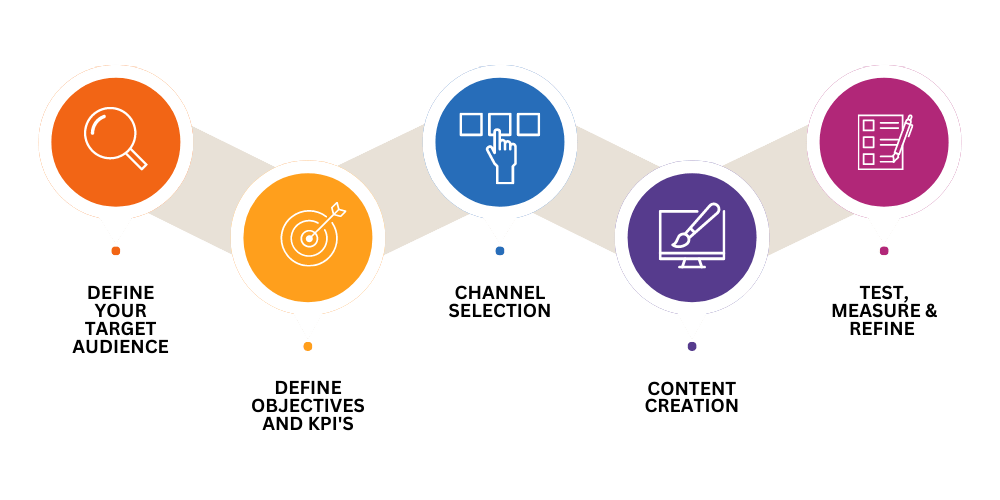
The internet has completely transformed the way we buy and sell products. It’s also changed the way companies advertise. With today’s digital tools, businesses can run marketing campaigns and track their results in real-time. This has given rise to performance marketing, where companies pay only for the results they get, like clicks or conversions.
Let’s break down what performance marketing is, how it works, and how you can start using it effectively for your business.
What is Performance Marketing?
Performance marketing refers to online marketing where advertisers only pay when a specific action is completed, like when someone clicks on an ad or makes a purchase.
Unlike traditional marketing, where businesses pay upfront regardless of the outcome, performance marketing puts advertisers in control. They choose the action that matters to them, and only pay when that action happens—whether it’s a lead, sale, or website visit.
How Is Performance Marketing Different?
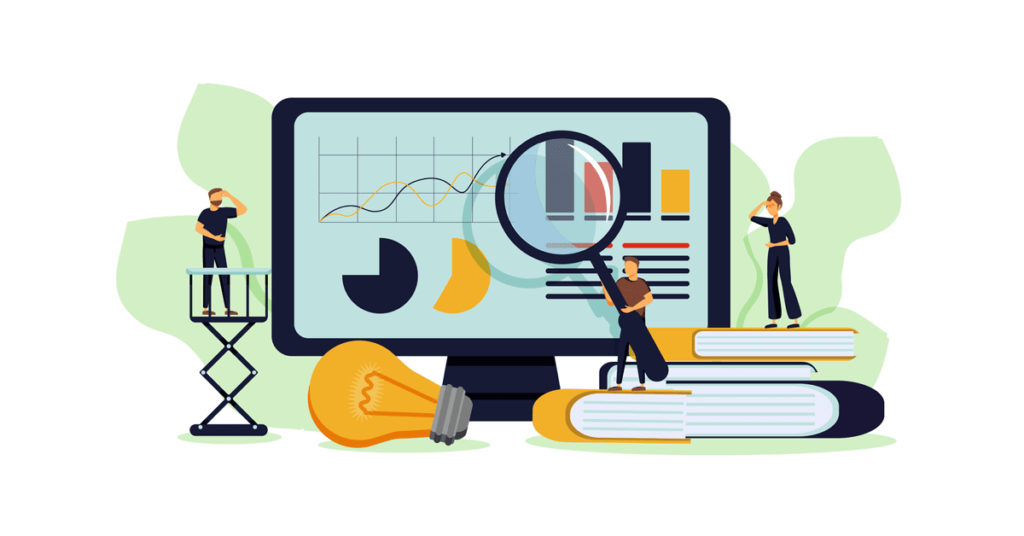
In traditional advertising (like billboards or TV), companies pay for ad space whether or not anyone responds. But with performance marketing, you only pay once the desired outcome—like a click or a sale—is achieved. This makes it a cost-effective way to market products and services, especially for small businesses with limited budgets.
Key Types of Performance Marketing
Performance marketing includes different methods. Here’s a quick look at the most common types:
Search Engine Marketing (SEM): Ads appear on search engine results pages (like Google). These ads target people searching for relevant terms and are great for capturing high-intent users.
Affiliate Marketing: Here, affiliates (partners) promote a product or service on behalf of a business and earn a commission based on the actions (clicks or sales) generated from their promotion.
Native Advertising: These are ads that blend in with the content of the website they’re shown on. Because they don’t feel like traditional ads, native ads are less intrusive and more engaging.
Programmatic Advertising: This is the automated buying of ad space using advanced software and targeting tools, making it easier to reach the right audience at the right time.
Key Metrics in Performance Marketing
In performance marketing, every action can be measured, helping you understand how well your campaigns are performing. Here are the most important metrics to track:
CPM (Cost per Thousand Impressions): The cost you pay for every 1,000 times your ad is shown.
CPC (Cost per Click): The price paid each time someone clicks on your ad.
CPA (Cost per Action): The cost associated with a specific action, such as a sign-up or purchase.
LTV (Lifetime Value): The estimated total value a customer will bring over their entire relationship with your business.
How to Create a Performance Marketing Strategy
If you’re new to performance marketing, follow these steps to create your strategy:
– Set Your Campaign Goals
Before you start, decide what you want to achieve. Are you looking to build brand awareness, increase website traffic, generate leads, or drive sales? Your goals will help guide the direction of your campaign.
– Choose Your Channels
Don’t rely on just one platform. Explore different channels like Google Ads, social media, affiliate programs, and native advertising. Spreading your campaigns across various platforms will increase your chances of success.
– Create Your Campaign
Focus on your audience—who they are, what they need, and how your product can help them. Craft ads that speak directly to their pain points and interests. Make sure your messaging is clear, your design is appealing, and you follow the technical guidelines of the platform you’re using.
– Track and Optimize
Once your campaign is live, monitor its performance closely. See which ads are performing well and adjust your budget to focus on the ones bringing the best results. Optimization is key in performance marketing—keep tweaking your ads to get the most out of them.
Potential Challenges in Performance Marketing
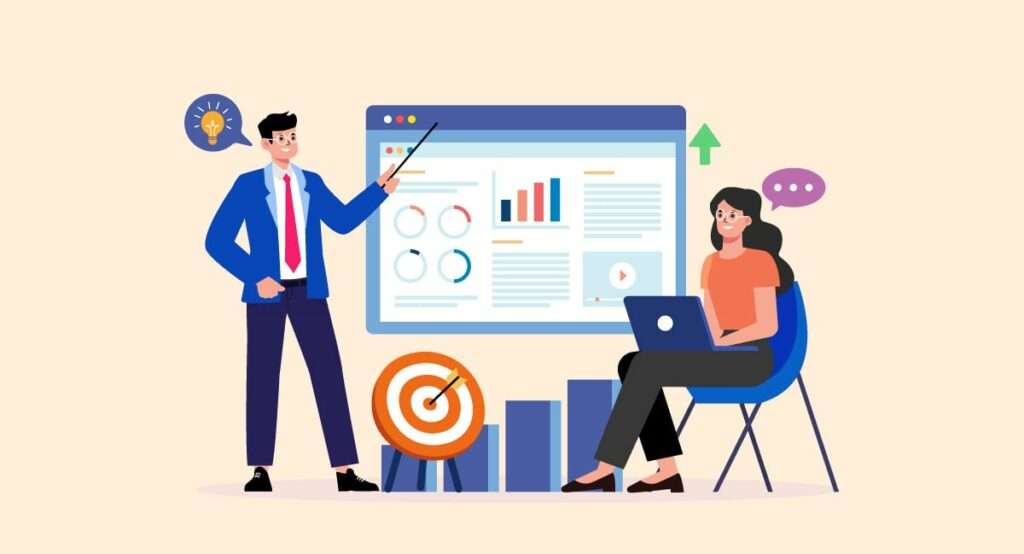
Like any strategy, performance marketing comes with challenges. Be mindful of:
– Ad fraud (bots clicking on your ads)
– Privacy concerns (following regulations like GDPR)
– Brand safety (making sure your ads appear in suitable contexts)
By working with trusted platforms and using high-quality networks, you can avoid most of these issues.
Why Performance Marketing Matters
The biggest advantage of performance marketing is that it’s results-driven. You only pay for what works, which reduces risk and allows you to track your return on investment (ROI) closely. Here are the top benefits:
– Full control over budget and ROI
You pay for measurable outcomes, so every dollar spent is tied to a specific result.
– Better targeting and optimization
Track your campaigns in real-time and make adjustments to improve results on the go.
– Lower risk
Since you only pay when actions are completed, the risk of wasting your budget is minimized.
Performance marketing allows you to get the most out of your advertising budget by focusing on actions that matter—whether it’s a sale, lead, or click. It’s data-driven, measurable, and gives you full control over your campaigns. With the right approach and strategy, it can help your business grow faster and smarter.
By understanding the key elements and following the right steps, you can set up successful performance marketing campaigns that deliver results efficiently.
Performance marketing agencies like Balistro can help you reach your target audience and grow the business.
Ready to Grow Your Business?
Book a free 30-minute strategy call with Balistro. We’ll audit your marketing and show you exactly where your biggest growth opportunities are.
Why Performance Marketing Is the Growth Engine for Modern Brands
Performance marketing has fundamentally changed how brands approach advertising — shifting from paying for impressions to paying for measurable outcomes like clicks, leads, and sales. This accountability makes every rupee of marketing spend trackable and optimizable, which is why performance-based digital marketing now accounts for 65% of total digital ad spend in India (Source: IAMAI).
For D2C brands in India’s rapidly growing e-commerce market, performance marketing is the primary customer acquisition engine. The ability to test multiple channels — Google Ads, Meta Ads, programmatic, affiliate marketing — and allocate budget to the highest-performing channels in real-time is a competitive advantage that traditional advertising simply cannot match.
The integration of AI and machine learning into performance marketing platforms has accelerated optimization cycles. Automated bidding, dynamic creative optimization, and predictive audience modeling allow brands to achieve better results faster, with algorithms processing thousands of data points to find the most efficient path to conversion.
Building a Performance Marketing Framework That Scales
- Define Clear KPIs & Attribution: Establish your primary KPIs — ROAS for e-commerce, CPL for B2B, CAC for subscription businesses. Set up multi-touch attribution modeling to understand the true contribution of each channel. Avoid last-click attribution which overvalues bottom-funnel channels.
- Channel Mix Strategy: Start with 2-3 channels and expand based on performance data. For most Indian D2C brands, Google Search + Meta Ads is the optimal starting combination. Add Google Shopping, YouTube, and programmatic as you scale. B2B brands should prioritize Google Search + LinkedIn Ads.
- Creative Testing Framework: Develop a systematic creative testing process. Test hooks (first 3 seconds of video, headline of static ads), value propositions, social proof elements, and CTAs. Run 3-5 creative variations per ad set and replace underperformers weekly.
- Budget Allocation & Scaling: Use a 70/20/10 framework — 70% of budget on proven campaigns, 20% on promising tests, 10% on experimental channels. Scale winning campaigns by increasing budget 20-30% every 3-5 days while maintaining ROAS targets.
- Measurement & Optimization Cadence: Review campaign performance daily (budget pacing, anomalies), optimize weekly (bid adjustments, creative swaps, audience refinements), and conduct strategic reviews monthly (channel allocation, funnel analysis, competitive market).
Performance Marketing Mistakes That Waste Your Ad Budget
- Optimizing for vanity metrics: Impressions, clicks, and even CTR are vanity metrics if they don’t translate to revenue. Always optimize campaigns for conversion events that align with business outcomes — purchases, qualified leads, or revenue.
- Not investing in landing page optimization: Sending paid traffic to generic homepages or poorly designed landing pages wastes acquisition costs. Create dedicated landing pages for each campaign with clear value propositions, social proof, and frictionless conversion paths.
- Scaling too fast: Dramatically increasing budgets overnight disrupts campaign learning and often tanks performance. Scale gradually — 20-30% budget increases every few days — and monitor performance metrics closely during scaling periods.
- Ignoring the full funnel: Brands that only run bottom-funnel conversion campaigns eventually exhaust their addressable audience. Build awareness and consideration campaigns to feed the top of funnel and create sustainable acquisition growth.
- Poor tracking and attribution: Without accurate conversion tracking across all touchpoints, you can’t make informed optimization decisions. Implement server-side tracking, cross-device attribution, and proper UTM tagging before scaling ad spend.
Frequently Asked Questions
What is a good ROAS for performance marketing?
A good ROAS varies by industry and business model. E-commerce D2C brands typically target 3-5x ROAS, while high-margin businesses can be profitable at 2x. B2B companies often measure success through cost-per-lead rather than ROAS. The key is ensuring your ROAS exceeds your break-even point accounting for product costs, overhead, and customer lifetime value.
How is performance marketing different from digital marketing?
Performance marketing is a subset of digital marketing specifically focused on measurable, results-driven campaigns where you pay for specific outcomes. Digital marketing is broader and includes brand building, content marketing, SEO, and other activities that may not have direct, immediate ROI attribution. Performance marketing prioritizes accountability and data-driven optimization above all else.
How much should I budget for performance marketing?
For D2C brands in India, a starting budget of ₹50,000-₹1,50,000 per month across Google and Meta Ads provides enough data for optimization. B2B brands can start at ₹30,000-₹75,000 per month. Scale budget based on profitability — if campaigns are generating positive ROAS, increase spend systematically to capture more market share.
Ready to Grow Your Business?
At Balistro Consultancy, we help D2C and B2B brands achieve measurable marketing results through data-driven strategies. Whether you need Google Ads management, Facebook advertising, SEO services, or email marketing, our team of certified specialists is ready to help you grow.
Book a free consultation call to discuss your marketing goals and discover how Balistro can drive real results for your brand.
Scaling Performance Marketing: Advanced Strategies for Growth
Scaling performance marketing campaigns profitably requires a fundamentally different approach than launching them. The strategies that work at ₹50,000 monthly spend often break at ₹5,00,000 — and understanding these scaling dynamics is essential for sustainable growth.
Budget scaling should follow a systematic approach: increase campaign budgets by no more than 20-30% every 3-5 days to maintain algorithmic stability. Vertical scaling (increasing budget within existing campaigns) works best up to a point; beyond that, horizontal scaling (launching new campaigns targeting different audiences or creatives) becomes necessary.
Cross-channel attribution is critical for optimizing performance marketing at scale. Multi-touch attribution models reveal the true contribution of each touchpoint in the customer journey, preventing overinvestment in last-click channels and underinvestment in awareness-driving channels. Data-driven attribution models, now available natively in GA4, provide the most accurate picture of channel performance.
Creative fatigue is the most common reason performance marketing campaigns plateau. At higher spend levels, audiences see your ads more frequently, leading to declining CTR and rising CPA. Combating creative fatigue requires a systematic creative production pipeline — testing new hooks, formats, and messaging angles weekly, while scaling proven creative frameworks.
First-party data strategies have become essential for performance marketing success. Building reliable customer data platforms, implementing server-side tracking, and using customer match audiences enables more accurate targeting and measurement in an increasingly privacy-conscious digital environment. Brands that invest in first-party data infrastructure consistently outperform competitors relying solely on platform-native audiences.