
Today’s podcast audience is massive—nearly 98 million people tune in each week. Within the realm of podcast advertising, listeners stay engaged through long, uninterrupted sessions, making audio ads especially valuable. In fact, podcast advertising spots return nearly five times what display ads do, so shifting budget toward audio is no longer experimental. Instead, brands are tapping host‑read ads for authenticity and using dynamic insertion for greater reach. Measuring ROI on podcast advertising poses unique challenges. To overcome these, marketers rely on coupon codes, UTM tags, and listener surveys. When podcast advertising is woven into an omnichannel strategy, it boosts impact across the entire funnel. Looking ahead, AI‑driven targeting and voice‑activated ads will enable even deeper personalization in podcast advertising.
The Rise of Podcast Consumption

1. Mainstream Growth. In 2024, one in three Americans listened to a podcast weekly. Furthermore, audiences span all ages—59 percent of 12–34‑year‑olds tune in, and more than a quarter of adults over 55 listen monthly.
2. Broader Diversity. Female listenership has surged, rising from under 30 percent to roughly a third of weekly audiences over the past year.
3. On‑the‑Go Listening. Mobile devices drive most streams. As a result, commuters, gym‑goers, and remote workers enjoy long sessions—prime slots for both host‑read endorsements and programmatic ads.
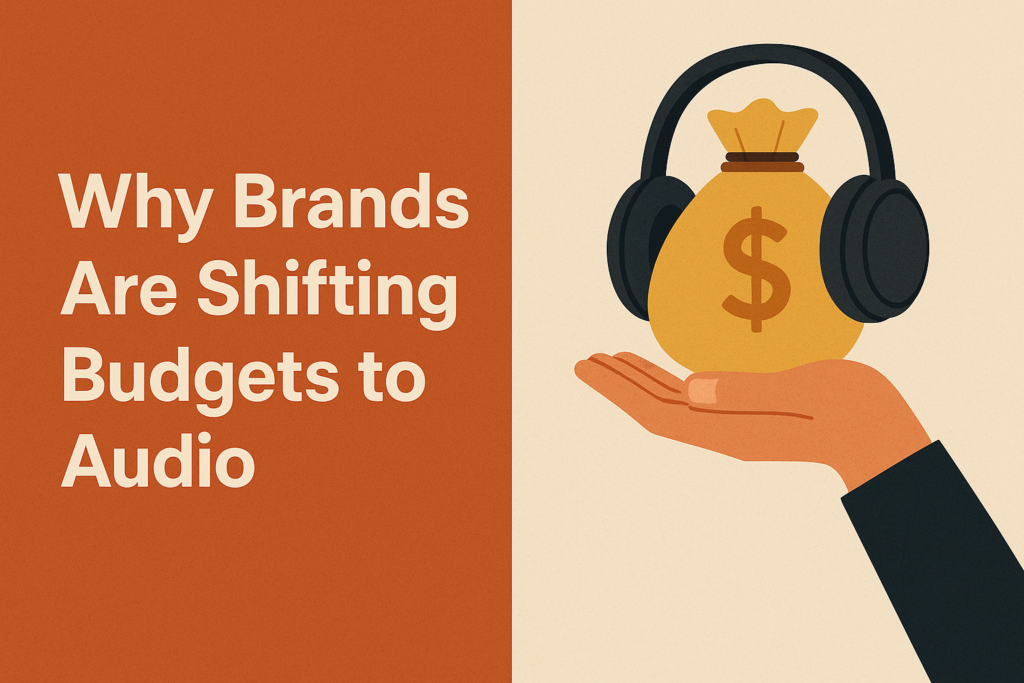
Why Brands Are Shifting Budgets to Audio
Unmatched ROI
For every dollar a brand spends on podcast ads, it gets nearly five dollars back in sales over time—and more than four dollars in short‑term ROAS. Consequently, podcasts deliver both brand‑building and direct‑response benefits.
Podcast Adverising Better Value than Display Advertising
Although podcast CPMs range from $18 to $50 for a 30‑second spot, listeners are actively engaged. In contrast, banner ads often go unnoticed. Therefore, when you add podcasts to a media mix, you can boost overall campaign ROAS by up to 18 percent.
Explosive Ad Spend Growth
Last year, global podcast ad spend hit $4.8 billion and is projected to exceed $5 billion this year. Clearly, audio is claiming a bigger slice of marketing budgets, especially in North America.
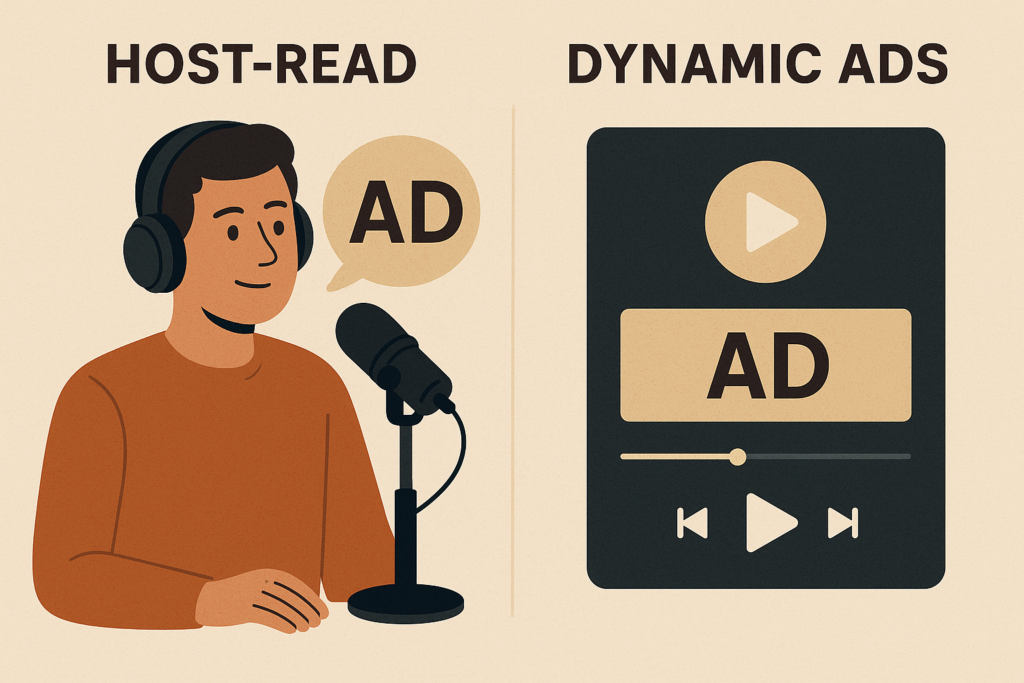
Host‑Read vs. Dynamic Ads: Choosing the Right Mix
Host‑Read Ads
These spots are woven into episodes by the host, giving them a personal, credible feel. As a result, they earn higher trust and recall, and they often convert better—even though they cost more and require aligning with the host’s schedule.
Dynamic (Programmatic) Ads
In contrast, dynamic ads are inserted at download time. This approach offers instant targeting updates and scales across both new and older episodes. However, it can feel less personal and risks listener fatigue if overused.
Case Study Snapshot
A DTC retailer tried a two‑pronged approach. First, they used a host‑read segment with a unique promo code, which lifted sales by 20 percent. Meanwhile, dynamic mid‑roll ads ran across the back catalog to keep awareness high.
Measuring Podcast Advertising Performance
Since podcasts lack clickable links, marketers use:
1. UTM Parameters on landing‑page URLs to trace traffic.
2. Unique Promo Codes to track direct purchases.
3. Listener Surveys and brand‑lift studies for recall and intent insights.
Platforms like Podsights and Chartable pull these metrics together, showing listen‑through rates, conversions, and true incremental sales.
Integrating Podcast Advertising into an Omnichannel Strategy
1. Top‑of‑Funnel (Awareness): Deploy dynamic ads on popular shows for broad reach.
2. Mid‑Funnel (Consideration): Follow up with host‑read sponsorships on niche podcasts to deepen engagement.
3. Bottom‑Funnel (Conversion): Retarget podcast listeners via paid search and social using UTM‑tagged links and exclusive codes.
By aligning audio with visual and search channels, brands can lift overall ROI by up to 25 percent.
Future Trends: AI and Voice‑First Targeting
–AI‑Optimized Insertion. Advanced algorithms can now match ads to listener profiles and show context in real time, boosting relevance and yield.
–Voice‑Activated Ads. With smart speakers on the rise, early tests show that up to 25 percent of listeners engage when asked to say “order now” for a discount.
–AI‑Generated Creative. Generative tools speed up ad production—creating multilingual spots and varied voice styles. Even so, human oversight remains key to maintaining brand tone.
FAQ’s Related to Podcast Advertising
1. How much does podcast advertising cost?
CPMs for 30‑second ads range from $18 to $50, depending on audience size, host popularity, and ad placement.
2. What ad formats are available?
–Pre‑Roll: 15–30 seconds at episode start
–Mid‑Roll: 30–60 seconds in the middle (highest engagement)
–Post‑Roll: End‑of‑episode spots
–Host‑Read vs. Programmatic: Balance authenticity and scale
3. How do you measure podcast ROI?
Combine UTM tags, promo codes, affiliate fees, listen‑through data, and post‑campaign surveys to get a full picture.
4. Can small businesses benefit?
Absolutely. Niche and local podcasts often offer lower CPMs and highly engaged audiences, making them cost‑effective for smaller brands.
5. Where can I buy podcast ads?
Top platforms include Spotify Ad Studio, Acast, Megaphone, and AdvertiseCast, plus newer self‑serve tools that simplify setup.
At Balistro, we specialize in helping businesses grow through effective digital marketing strategies. From Google Ads to Meta Ads, we deliver data-driven campaigns that maximize your ROI and drive real results. If you’re looking to boost your online presence, generate leads, or scale your e-commerce business, our expert team is here to help. Contact us today to learn more about how we can support your advertising needs!
Ready to Grow Your Business?
Book a free 30-minute strategy call with Balistro. We’ll audit your marketing and show you exactly where your biggest growth opportunities are.
Why Strategic Digital Marketing Is Essential for Business Growth in India
India’s digital advertising market is projected to reach ₹62,000 crore by 2026, growing at 25% CAGR (Source: Dentsu Digital Report). This explosive growth means more businesses are competing for digital attention than ever before. Without a strategic digital marketing approach, brands risk being invisible to their target audience.
The most successful brands in India’s digital landscape don’t rely on a single channel — they build integrated marketing ecosystems. Brands using 3+ digital channels see 287% higher purchase rates than single-channel campaigns (Source: Omnisend). This multi-channel approach, when executed strategically, creates multiple touchpoints throughout the customer journey.
For D2C and B2B brands specifically, digital marketing has become the primary growth driver. With 78% of Indian businesses increasing their digital marketing budgets in 2025, the competitive landscape demands not just presence but excellence across search, social, email, and content channels.
Building an Integrated Digital Marketing Strategy
- Customer Research & Persona Development: Start with deep customer research — analyze your existing customer data, conduct surveys, review search queries, and study competitor audiences. Build detailed buyer personas including demographics, pain points, digital behavior, and preferred content formats.
- Channel Strategy & Prioritization: Not every channel is right for every business. D2C brands should prioritize Meta Ads, Google Shopping, email marketing, and SEO. B2B brands focus on Google Search, LinkedIn, content marketing, and email nurturing. Start with 2-3 core channels and expand based on data.
- Content Strategy & Calendar: Develop a content strategy that supports every stage of the funnel — awareness (blog posts, social content), consideration (case studies, comparison guides), and decision (product pages, testimonials). Create a monthly content calendar with themes aligned to business goals and seasonal opportunities.
- Paid Media Strategy: Structure paid campaigns by funnel stage with appropriate budgets. Allocate 40% to prospecting (awareness), 30% to remarketing (consideration), and 30% to conversion campaigns. Use cross-channel remarketing to nurture prospects across platforms.
- Measurement & Optimization: Implement comprehensive tracking across all channels. Build a unified dashboard that shows the complete customer journey. Use data to continuously optimize — shift budget to top-performing channels, refine targeting, and improve creative based on performance insights.
Digital Marketing Mistakes That Stunt Business Growth
- No clear strategy or goals: Running ads and posting content without a coherent strategy wastes budget and effort. Define specific, measurable goals for each channel — traffic, leads, revenue — and build campaigns that directly support those objectives.
- Channel silos: Running each marketing channel independently creates disconnected customer experiences and misses cross-channel optimization opportunities. Integrate your channels so email supports paid media, content supports SEO, and social supports brand building in a cohesive ecosystem.
- Chasing trends over fundamentals: New platforms and tactics are exciting, but sustainable growth comes from mastering fundamentals — compelling messaging, strong offers, excellent landing pages, and data-driven optimization. Build a strong foundation before experimenting with emerging channels.
- Underinvesting in retention: Most brands overspend on acquisition and underinvest in retention. Retaining existing customers costs 5-7x less than acquiring new ones. Build email automation, loyalty programs, and post-purchase experiences that maximize customer lifetime value.
- Not investing in brand: Performance marketing drives immediate results, but brand building creates long-term competitive advantage. Strong brands enjoy higher conversion rates, lower acquisition costs, and greater pricing power. Allocate at least 20-30% of marketing budget to brand-building activities.
Frequently Asked Questions
How much should a small business spend on digital marketing in India?
Small businesses in India should allocate 7-15% of revenue to digital marketing, with a minimum of ₹25,000-50,000 per month for meaningful impact. Start with the channels most likely to drive immediate revenue — Google Ads for intent-based traffic and social media ads for awareness — then expand as you see returns.
What is the most effective digital marketing channel for B2B?
For B2B companies in India, Google Search Ads and LinkedIn are typically the most effective channels for lead generation. Content marketing and SEO build long-term authority and organic lead flow. Email marketing nurtures leads through longer B2B sales cycles. The optimal mix depends on your industry, target audience, and sales process.
How do I measure digital marketing success?
Measure success against your business objectives: revenue growth, customer acquisition cost (CAC), return on ad spend (ROAS), organic traffic growth, conversion rates, and customer lifetime value (CLV). Avoid vanity metrics like impressions or followers unless they directly correlate with business outcomes. Set up proper attribution to understand which channels drive real results.
Ready to Grow Your Business?
At Balistro Consultancy, we help D2C and B2B brands achieve measurable marketing results through data-driven strategies. Whether you need Google Ads management, Facebook advertising, SEO services, or email marketing, our team of certified specialists is ready to help you grow.
Book a free consultation call to discuss your marketing goals and discover how Balistro can drive real results for your brand.
Building a Sustainable Digital Marketing Growth Engine
Sustainable digital marketing growth requires building systems and processes that compound over time, rather than relying on short-term campaign tactics. The most successful brands treat digital marketing as an integrated ecosystem where each channel amplifies the effectiveness of every other channel.
The concept of compounding returns in digital marketing is most clearly demonstrated through SEO and content marketing. Every piece of quality content published, every backlink earned, and every technical improvement made contributes to an ever-growing foundation of organic visibility. Unlike paid advertising — which stops delivering the moment you stop paying — organic growth compounds over months and years.
Marketing technology integration is often the difference between good and great marketing performance. When your CRM, email platform, ad platforms, analytics tools, and website work together seamlessly, you gain a unified view of the customer journey that enables truly personalized marketing at scale. The investment in proper martech integration pays dividends through improved targeting accuracy, better attribution, and more efficient workflows.
Brand building and performance marketing are not opposing strategies — they are complementary forces that, when balanced correctly, create a powerful growth flywheel. Strong brands enjoy higher click-through rates on ads, better organic rankings, more referral traffic, and higher conversion rates. Allocating 20-30% of digital marketing budget to brand-building activities creates long-term competitive advantages that protect against market fluctuations.
Customer retention and lifetime value optimization represent the most underleveraged growth opportunity for most digital businesses. Acquiring a new customer costs 5-7x more than retaining an existing one, yet most brands spend the vast majority of their marketing budget on acquisition. Building robust retention marketing programs — including email automation, loyalty programs, and customer success initiatives — dramatically improves overall marketing ROI.