LinkedIn is a professional networking platform where users share insights, knowledge, and career-related content. But what separates the most engaging posts from those that barely get noticed? Visuals. Whether you’re a marketer, business owner, or content creator, incorporating visuals into your LinkedIn posts can significantly boost engagement and reach.
In this blog, we’ll explore why visuals matter in LinkedIn content creation, share best practices for using visuals effectively, and offer practical tips for designing compelling graphics that resonate with your audience.
Why Visuals Matter in LinkedIn Content Creation
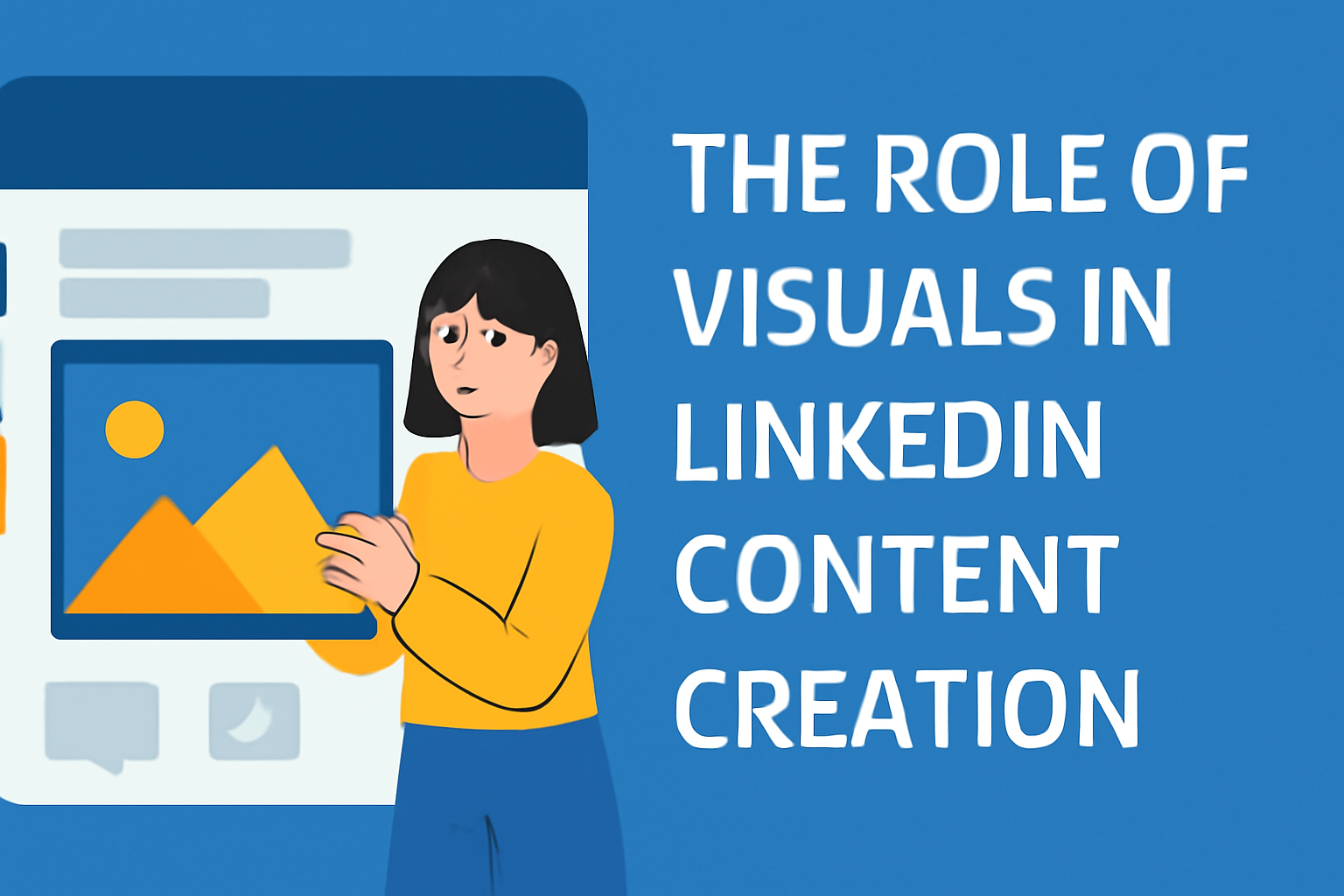
Visual content on LinkedIn is proven to drive higher engagement. Studies show that posts with images or videos generate 2-3 times more engagement than text-only posts. This is no surprise—humans are naturally wired to process images faster than text. A well-chosen visual can grab attention, convey your message more effectively, and encourage users to engage with your content.
LinkedIn’s algorithm also favors posts with visuals, as they tend to lead to longer interactions and more comments, shares, and likes. Additionally, visual content is more likely to be shared, helping you reach a wider audience organically. Simply put, visuals are a powerful tool for increasing your content’s visibility and creating more meaningful interactions with your network.
Best Practices for Using Visuals on LinkedIn
To maximize the impact of your visuals, it’s essential to follow best practices that align with LinkedIn’s unique professional environment. Here are a few tips:
- Use High-Quality Images: Poor-quality visuals can harm your credibility. Always use clear, high-resolution images that look professional.
- Keep It Simple: Your visuals should support your message, not overwhelm it. Avoid cluttered designs and focus on simplicity.
- Include Text Overlays: Adding brief text to your images can enhance your message. Make sure the text is legible and doesn’t overcrowd the visual.
- Stay on Brand: Use your brand’s color palette and font choices to create a cohesive visual identity across your posts.
Leverage Infographics: Infographics are an excellent way to present data and insights in an easily digestible format.
How to Choose the Right Visuals for LinkedIn Posts
Selecting the right visual is crucial to the success of your LinkedIn posts. Consider your audience and the type of content you’re sharing:
Professional vs. Personal: If you’re sharing business tips, industry insights, or professional achievements, choose images that reflect a polished, corporate look. For more personal content, like company events or behind-the-scenes moments, lighter visuals with a personal touch may work better.
Type of Content: For educational posts, infographics or charts work well. For thought leadership, consider using high-quality images that feature you or your team. For product promotions, product shots or lifestyle images showcasing your product in action can capture attention.
Audience Preferences: Analyze your audience’s response to different types of visuals. If you’re targeting professionals, images that communicate expertise or thought leadership tend to perform better.

How Visuals Boost LinkedIn Engagement and Reach
The benefits of using visuals on LinkedIn go beyond just aesthetics they directly influence engagement rates and reach. Posts with visuals are not only more engaging but also more likely to be promoted by LinkedIn’s algorithm.
Statistics support this: visual posts on LinkedIn receive 94% more views than text-only posts. Furthermore, posts with images receive 2 times more comments and 5 times more engagement than those without visuals.
One case study revealed that posts with infographics were shared 3 times more frequently than posts without visuals, significantly increasing the post’s reach and visibility across the platform.
Tips for Designing High-Impact Visuals for LinkedIn
Effective visuals can be designed even without professional design tools. Here are some tips to create eye-catching LinkedIn visuals:

Color Schemes: Stick to a color scheme that aligns with your brand identity. Colors can evoke emotions, so choose tones that match your message. For instance, blue conveys trust and professionalism, while red can create urgency.
Typography: Use clear and readable fonts. Avoid using too many fonts in one image one or two is enough to maintain clarity and cohesiveness.
Consistency: Maintain design consistency across your visuals. Using the same filter, layout, or style creates a recognizable brand aesthetic that resonates with your audience.
Use Tools: Design tools like Canva or Adobe Spark are perfect for non-designers looking to create polished visuals. These tools offer customizable templates that can save you time while ensuring your designs look professional.
Conclusion
Visuals are more than just decoration; they’re a key part of successful LinkedIn content creation. When used correctly, they can boost engagement, improve visibility, and make your posts more memorable. By following best practices, choosing the right visuals, and using simple design tools, you can create visuals that captivate your audience and drive meaningful interactions.
FAQ’s
1. Why are visuals important in LinkedIn content?
Visuals improve engagement by capturing attention quickly and making your content more shareable, which boosts your post’s reach.
2. What types of visuals work best for LinkedIn posts?
Infographics, high-quality images, and professional design work best for LinkedIn’s professional audience.
3. How can I create effective visuals for LinkedIn without a design team?
Use design tools like Canva and free templates to create professional-looking visuals easily.
4. How do visuals impact LinkedIn post reach and engagement?
Posts with visuals get significantly higher engagement, with images boosting views and interactions by up to 94%.
5. Can I use stock images for LinkedIn posts?
Yes, stock images can work, but make sure they are high-quality and relevant to your content. Always choose images that resonate with your professional audience.
At Balistro, we specialize in helping businesses grow through effective digital marketing strategies. From Google Ads to Meta Ads, we deliver data-driven campaigns that maximize your ROI and drive real results. If you’re looking to boost your online presence, generate leads, or scale your e-commerce business, our expert team is here to help. Contact us today to learn more about how we can support your advertising needs!
Ready to Grow Your Business?
Book a free 30-minute strategy call with Balistro. We’ll audit your marketing and show you exactly where your biggest growth opportunities are.
Why Social Media Marketing Is Essential for Brand Visibility
Social media platforms collectively reach over 500 million users in India, making them the largest audience pool for brand discovery and engagement. For D2C brands, social media is often the first touchpoint in the customer journey — where potential customers discover products through content, ads, influencer recommendations, and peer reviews.
The shift toward short-form video content on platforms like Instagram Reels, YouTube Shorts, and LinkedIn has created new opportunities for brands to reach audiences organically. Video content generates 1200% more shares than text and image content combined (Source: WordStream), making it the most powerful format for building brand awareness and engagement.
Beyond brand building, social media platforms have evolved into sophisticated advertising ecosystems. Meta’s advanced targeting capabilities, LinkedIn’s professional audience data, and YouTube’s intent-based targeting allow brands to reach precisely the right audience at every stage of the buyer journey. Brands that master both organic and paid social media create a powerful growth flywheel.
Building an Effective Social Media Strategy
- Platform Selection: Choose platforms where your target audience is most active. D2C brands: Instagram, Facebook, YouTube. B2B brands: LinkedIn, YouTube, Twitter/X. Don’t spread too thin — it’s better to excel on 2-3 platforms than be mediocre on 5-6.
- Content Pillars & Calendar: Define 4-5 content pillars that align with your brand expertise and audience interests. Create a content calendar mixing educational content (40%), entertaining/engaging content (30%), promotional content (20%), and user-generated content (10%). Plan content batches weekly for efficient production.
- Community Building: Social media is a two-way channel. Respond to comments promptly, engage with your audience’s content, participate in relevant conversations, and build genuine relationships. Brands with active community management see 3-5x higher engagement rates.
- Paid Social Strategy: Complement organic efforts with targeted paid campaigns. Use lookalike audiences based on your best customers, retarget website visitors and engagers, and test new audience segments regularly. Start with ₹500-1000/day per platform and scale based on results.
- Analytics & Optimization: Track engagement rate, reach, link clicks, and conversion metrics. Identify top-performing content types and posting times. A/B test content formats, copy styles, and CTAs. Optimize based on data, not assumptions about what your audience wants.
Social Media Mistakes That Hurt Your Brand
- Inconsistent posting: Irregular posting signals an inactive brand and hurts algorithmic visibility. Establish a consistent posting schedule — 3-5 times per week for Instagram, 2-3 times for LinkedIn, daily for Twitter — and stick to it using scheduling tools.
- Only posting promotional content: Followers unfollow brands that only sell. Follow the 80/20 rule: 80% of content should educate, entertain, or inspire, and only 20% should be directly promotional. Build value first, and your audience will be receptive to offers.
- Ignoring engagement and comments: Social media is social — brands that don’t respond to comments and DMs miss relationship-building opportunities. Engage with your community daily, respond within 2-4 hours, and make followers feel valued.
- Not leveraging video content: Platforms heavily prioritize video content in their algorithms. Brands that avoid video miss the biggest organic reach opportunity available. Start with simple, authentic video content — it doesn’t need to be professionally produced to perform well.
- Buying followers or engagement: Fake followers destroy your engagement rate, damage algorithmic distribution, and erode brand credibility. Focus on building a genuine audience through valuable content and strategic paid promotion. 1,000 real followers are worth more than 100,000 fake ones.
Frequently Asked Questions
How often should I post on social media?
Optimal posting frequency varies by platform: Instagram 3-5 times per week (plus daily Stories), LinkedIn 2-3 times per week, Facebook 3-5 times per week, and Twitter/X 1-3 times per day. Quality and consistency matter more than frequency — it’s better to post 3 excellent posts per week than 7 mediocre ones.
Which social media platform is best for B2B marketing?
LinkedIn is the most effective social media platform for B2B marketing, with 80% of B2B leads from social media coming through LinkedIn. YouTube is valuable for educational content and product demonstrations. Twitter/X works well for thought leadership and industry conversations. For most B2B brands in India, a LinkedIn-first strategy supplemented by YouTube content is the optimal approach.
How do I increase my social media engagement rate?
Improve engagement by: posting consistently at optimal times (use analytics to find when your audience is most active), using a mix of content formats (especially video and carousels), asking questions and encouraging interaction, responding to every comment, using relevant hashtags strategically, and collaborating with other brands and creators in your niche.
Ready to Grow Your Business?
At Balistro Consultancy, we help D2C and B2B brands achieve measurable marketing results through data-driven strategies. Whether you need Google Ads management, Facebook advertising, SEO services, or email marketing, our team of certified specialists is ready to help you grow.
Book a free consultation call to discuss your marketing goals and discover how Balistro can drive real results for your brand.